
Introduction / Description
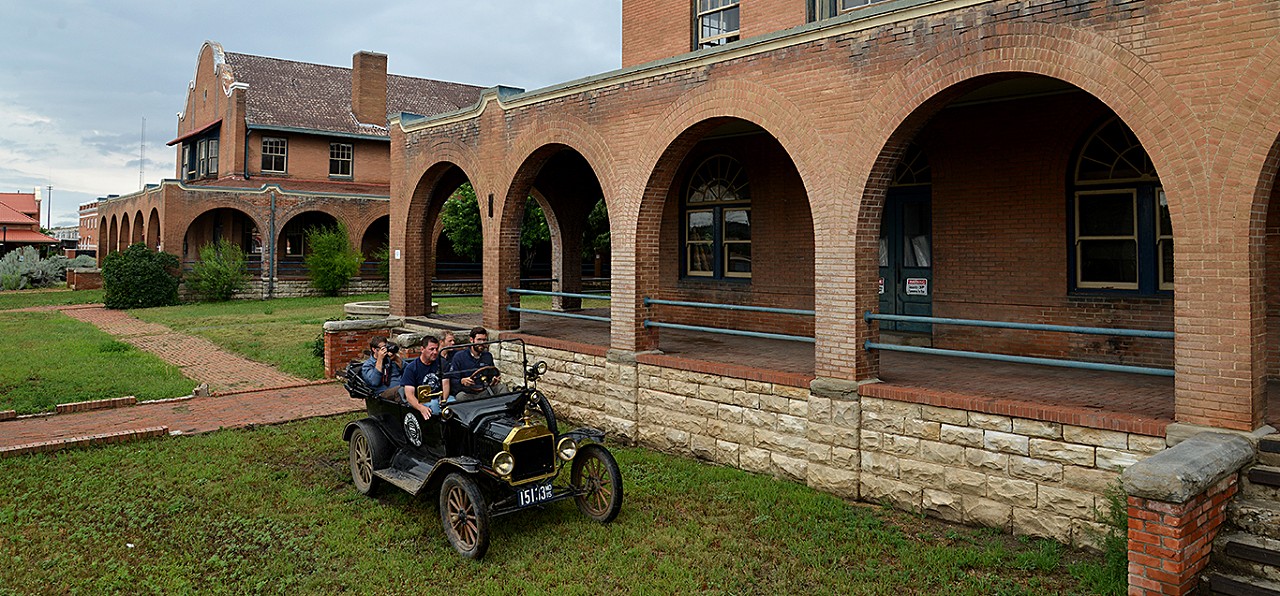
The Castaneda is a historic Fred Harvey Hotel located in Las Vegas, New Mexico along Amtrak’s Southwest Chief line. The hotel opened in 1898 and closed in 1948.
Opened in 1898, the historic Castaneda Hotel was once the flagship property of the newly christened Atchison Topeka & Santa Fe Railway. After a successful opening of this Las Vegas, New Mexico Harvey House, the railroad proceeded to build a string of similar trackside properties across the Southwest. These properties were run by hospitality entrepreneur Fred Harvey, who had successfully operated trackside restaurants along the line. And with this ambitious expansion, came the addition of the Harvey Girls — single women who were hired by Harvey in the Midwest, to travel to out west and staff the new restaurants. Subsequently, a new rail travel boom era was born.
Arrival & Car Parking
Entrance & Reception
Accessible Rooms & Bathrooms / Accessibility
Designed by architect Frederick Louis Roehrig, the Castaneda Hotel was built in the Mission Revival style, with an original price tag of $105,000 — an impressive sum for the time. It had 37 guestrooms, plus a 108-seat dining room and a 51-seat lunch counter. The railroad also had their offices on the first floor.
The guestrooms were most often described as cozy — today we would call them downright tiny — and they were spartanly furnished with a bed, a radiator, a dresser and a sink. There were only six bathrooms at the hotel, which were shared by overnight guests — a common practice of the time.
Today the property boasts 22 spacious suites, all equipped with equally spacious bathrooms. And if you look carefully in the rooms, you can see the vague outlines of the former room borders on the floors. The hallway doors to the original rooms were also left intact — some now go to storage rooms, while others are merely decorative.
Furnishing the historic property was a project in itself, as Affeldt networked with antique dealers across the country to find Victoria-era furnishings. And luckily he also found some era-appropriate furnishings in the Southwest, to give the property a real local feel.
Tina Mion played an equally instrumental role in the design of the property, as many of her provocative paintings hang in the guestrooms and public spaces of the Castaneda Hotel. She’s also working on a series of stained glass windows for the guestroom transoms. Each of these pieces will depict a different endangered Southwestern animal, and her collective work will serve unify the theme of endangered treasures — both buildings and animals — that can be saved.
Although the Castaneda Hotel was not originally designed to be wheelchair-accessible, the renovation allowed Affeldt to add access upgrades to the property. And he did an excellent job of providing modern day access features, while still retaining the historic Harvey House charm of the property.
There’s accessible parking located in the front and on the side of the property, with barrier-free access to a ramp that leads up to the front porch. From there, a wide door leads into the large lobby, which has wood floors and plenty of room to maneuver a wheelchair or scooter over to the registration desk. A grand staircase dominates the stately lobby, but there’s also elevator access to the second floor, where accessible room 204 is located.
Access features include wide doorways, lever handles, wood and tile floors, and excellent pathway access. The room is furnished with two 28-inch high open-frame queen-sized beds with wheelchair access on all sides. Other furnishings include two night stands, a secretary, a table and two easy chairs — including one chair that is 14-inches high. There’s also a roll-under sink with a lowered mirror located on the far end of the room, but even with that addition there’s still plenty of room to maneuver even the largest scooter around the room.
The bathroom is equally accessible, and it boasts a full five-foot turning radius. It’s equipped with a custom-built roll-in shower with grab bars and a fold-down shower bench. The toilet grab bars are located on the back and right walls (as seated); and the right wall also has a vertical grab bar in addition to the standard horizontal one.
The room includes lots of homey touches, including two antique headboards, a pair of bedside lamps made from coffee earns, vintage windows that actually open, and one of Tina Mion’s transom pieces — and endangered squirrel. Add in some modern conveniences such as a TV and internet access and you have a very comfortable room — one that Harvey House guests of 1898 would surely envy.
There’s good wheelchair access to the public spaces of the property as well, including the second floor sitting area which features more of Mion’s work. Downstairs there’s barrier-free access to the lobby and the Castaneda Bar. Additionally you can enjoy a snack or a drink on the porch, which offers a good view of the restored train depot. Take some time to walk around to the trackside of the property — just follow the accessible path — to see the facade that greeted folks as they disembarked from their long train journeys.
All in all, the Castaneda Hotel features the charm of the yesteryear, and the comforts and access features of today. And that’s a winning combination in any book!